

COVID-19
(2019 Novel Coronavirus)

With so much information out there around COVID-19 we’ve compiled the information and resources we trust for you.

Staying Healthy in the Time of COVID-19

The best way to stay healthy is to avoid being exposed to the COVID-19 virus.
You can reduce your risk by reducing unncessary exposures
The good news is…
Simple things go a long way to protecting and preserving your health.
According to the Centers for Disease Control (CDC), COVID-19 can spread between people who are in close contact with one another (within about 6 feet) and/or through respiratory droplets produced when an infected person coughs or sneezes. In order to protect yourself and your loved ones, the CDC recommends the following:

How COVID-19 Spreads

How easily a virus spreads from person to person can vary. The virus that causes COVID-19 appears to spread more efficiently than influenza but not as efficiently as measles, which is among the most contagious viruses known to affect people.
  • When people with COVID-19 cough, sneeze, sing, talk, or breathe they produce respiratory droplets. These droplets can range in size from larger droplets (some of which are visible) to smaller droplets. Small droplets can also form particles when they dry very quickly in the airstream.
  • Infections occur mainly through exposure to respiratory droplets when a person is in close contact with someone who has COVID-19.
  • Respiratory droplets cause infection when they are inhaled or deposited on mucous membranes, such as those that line the inside of the nose and mouth.
  • As the respiratory droplets travel further from the person with COVID-19, the concentration of these droplets decreases. Larger droplets fall out of the air due to gravity. Smaller droplets and particles spread apart in the air.
  • With passing time, the amount of infectious virus in respiratory droplets also decreases.

COVID-19 can sometimes be spread by airborne transmission

Some infections can be spread by exposure to virus in small droplets and particles that can linger in the air for minutes to hours. These viruses may be able to infect people who are further than 6 feet away from the person who is infected or after that person has left the space.
  • This kind of spread is referred to as airborne transmission and is an important way that infections like tuberculosis, measles, and chicken pox are spread.
  • There is evidence that under certain conditions, people with COVID-19 seem to have infected others who were more than 6 feet away. These transmissions occurred within enclosed spaces that had inadequate ventilation. Sometimes the infected person was breathing heavily, for example while singing or exercising.
    • Under these circumstances, scientists believe that the amount of infectious smaller droplet and particles produced by the people with COVID-19 became concentrated enough to spread the virus to other people. The people who were infected were in the same space during the same time or shortly after the person with COVID-19 had left.
  • Available data indicate that it is much more common for the virus that causes COVID-19 to spread through close contact with a person who has COVID-19 than through airborne transmission.
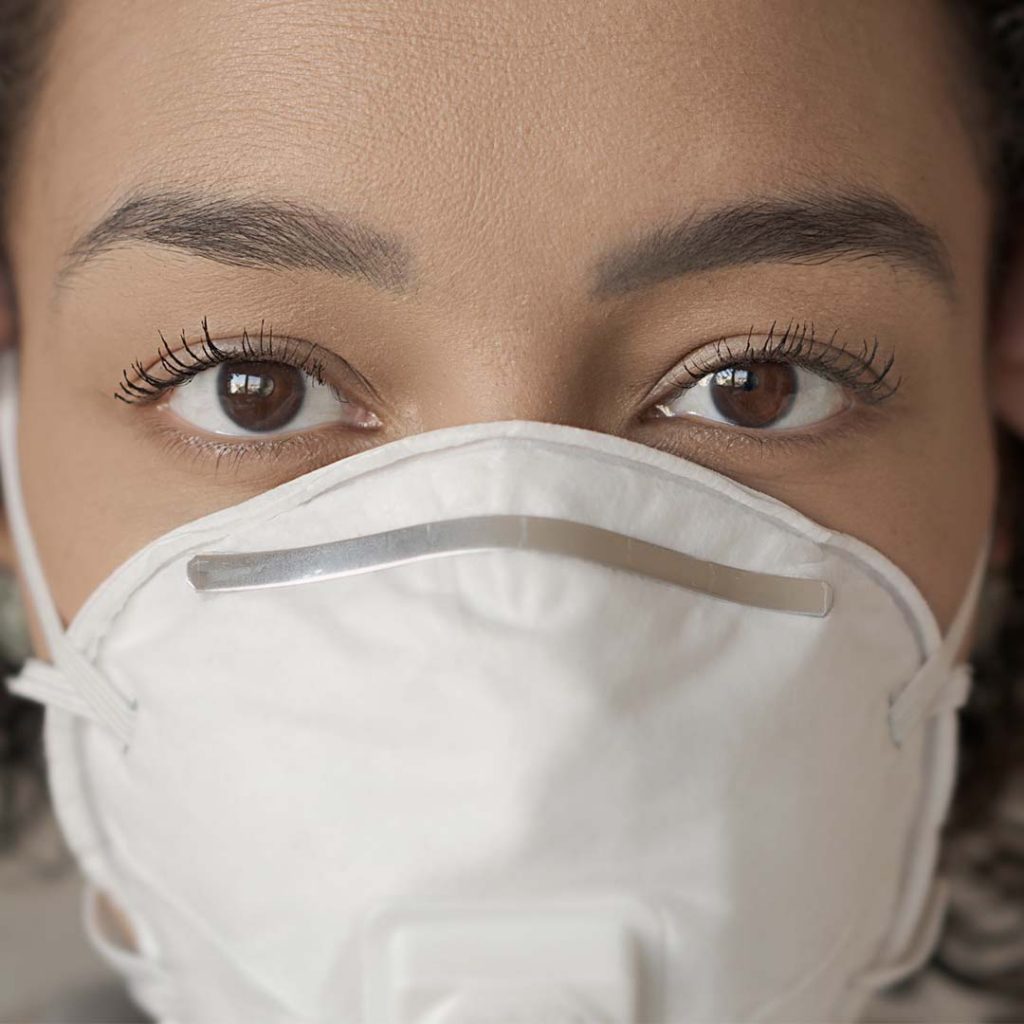
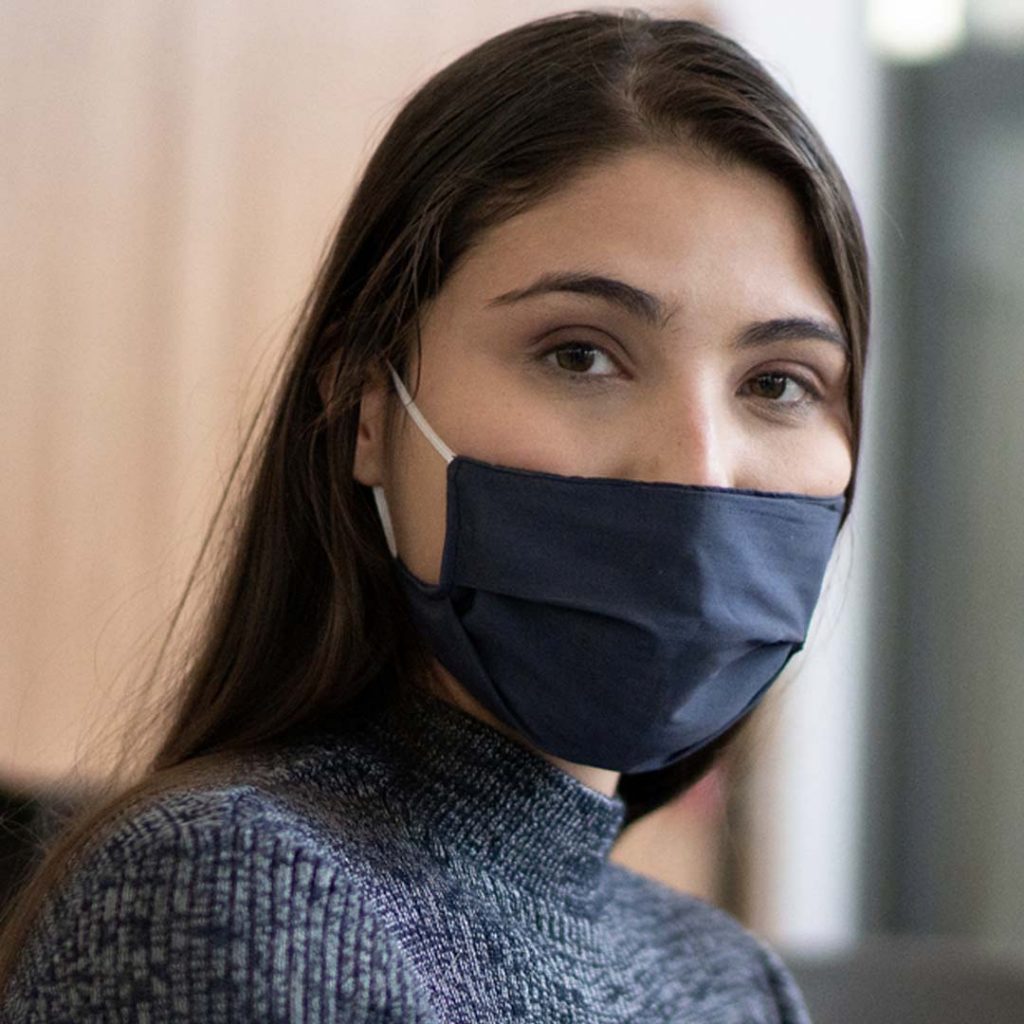
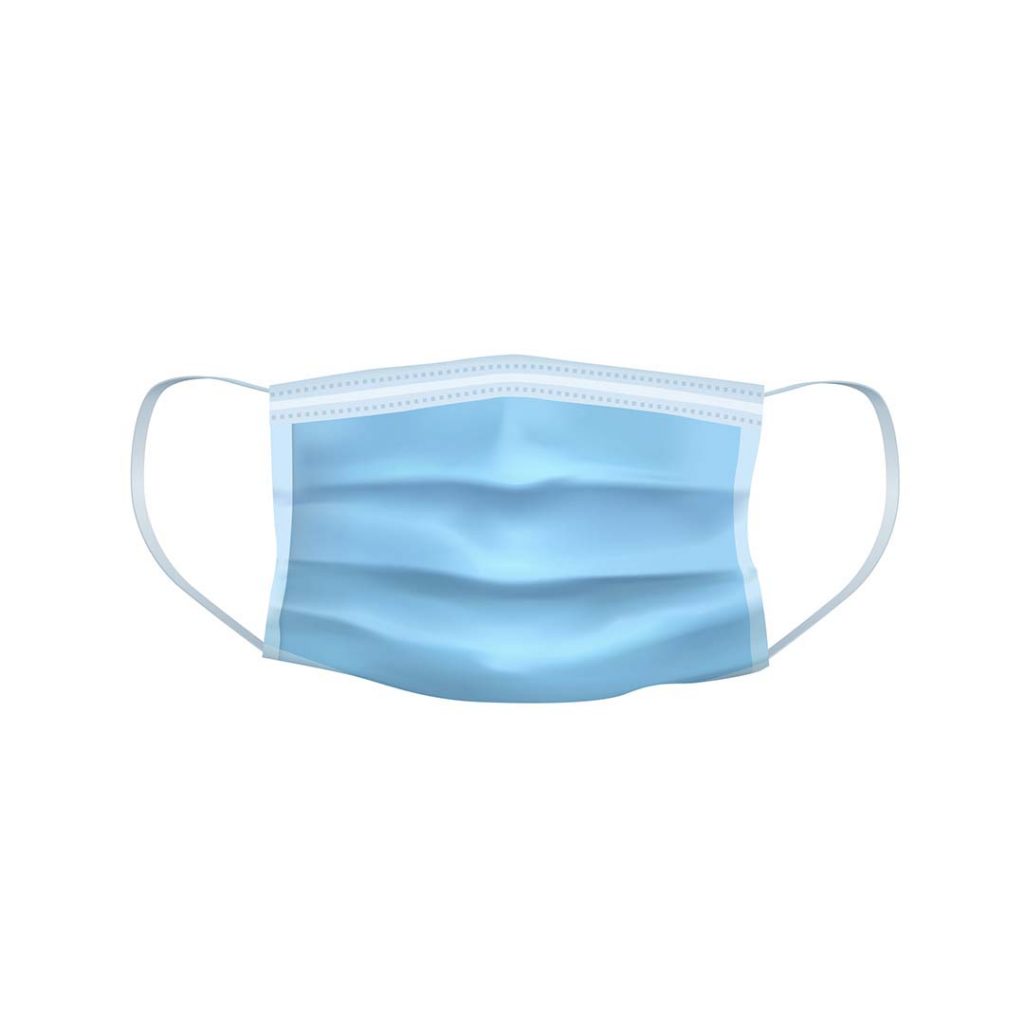
  • Use Masks to Slow the Spread of COVID-19

    COVID-19 Resources

    COVID-19 information is continuously changing.
    Keep up to date by using the trusted links below for up to date information
    about COVID-19 from the CDC, WHO, NIH, and HSS

    Wear Face
    Covering

    Cover your mouth with a face covering. Guidance on face coverings can be found here.

    Hand Hygiene Recommendations

    The exact contribution of hand hygiene to the reduction of direct and indirect spread of coronaviruses between people is currently unknown. However…


    Surface Transmission COVID-19

    People can be infected with SARS-CoV-2 through contact with surfaces.

    Social Distancing

    Avoid close contact with people who are sick and practice social distancing.

    Avoid
    Unnecessary Travel

    Stay at home as much as possible, avoid unnecessary travel and crowds.

    Good Health
    Can't Wait

    Don’t delay taking care of your health. If in doubt get a diagnosis from a doctor. Now more than ever maintaining good health is vital.

    COVID-19 resources we trust

    There are a lot of conversations taking place about COVID-19.
    We recommend paying attention to the following sources for information.
    These sites have up to date and evidence-based resources about COVID-19:

    Get Started with WhatsUpDocConnect 

    What Clients Are Saying

    Watch the latest on the YouTube Channel!

    Every week I release new videos made specifically for (who) to (achieve what desired result).  Make sure you subscribe and turn on the bell notifications so you can stay up-to-date!